
Perspectives #2 | What is Photography?

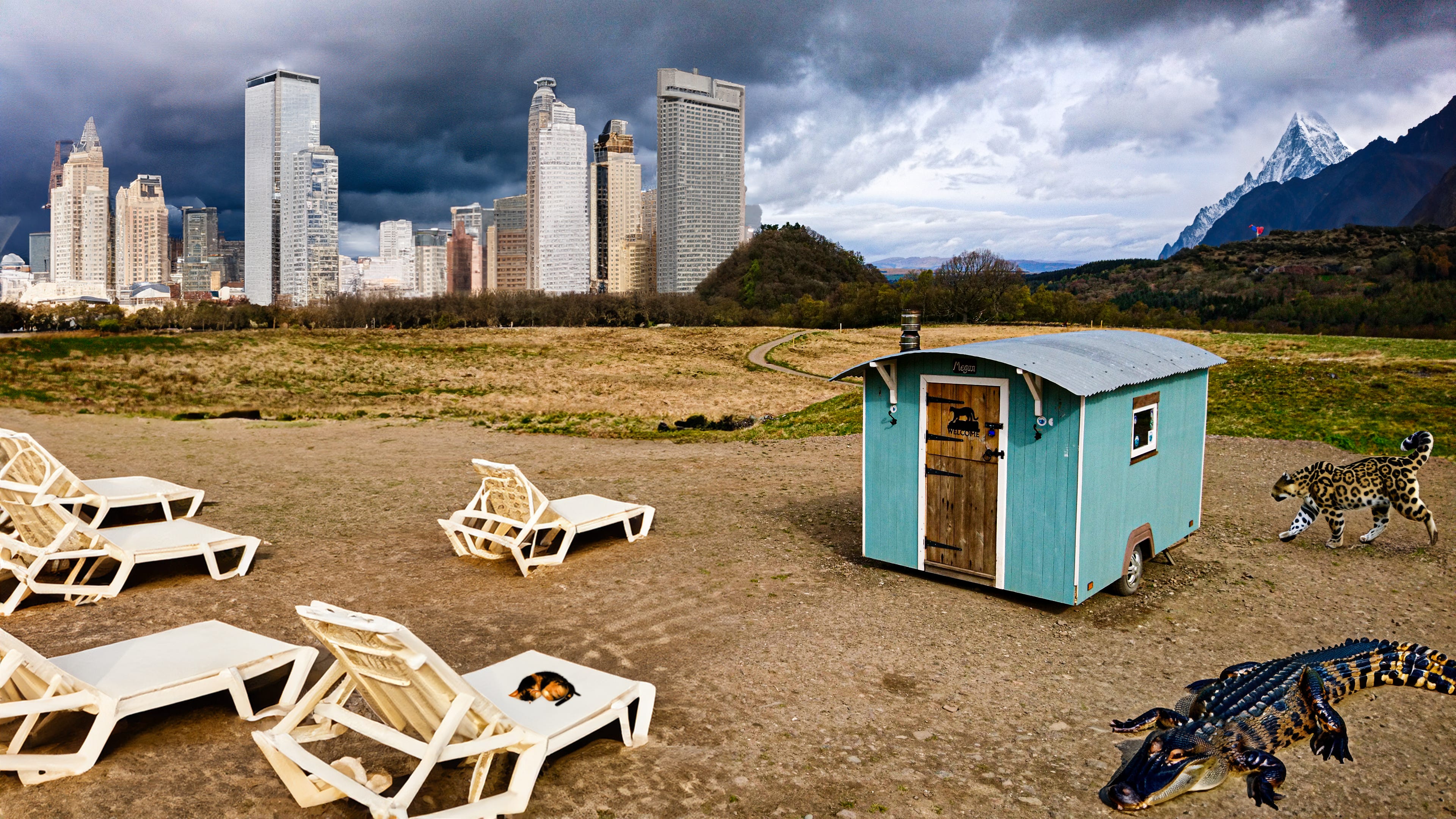
In 2005 I had a colleague who was a keen amateur film photographer. He was adamant that digital photography was cheating and not real photography. His non-sensical views were surprising from one so young (he was only 21), but the controversy around Generative Fill and AI two decades later, echo his sentiment. So without being too philosophical about it, what is Photography? Where does photography stop and whatever comes after begin?
I say his views are nonsensical because, in the most basic sense, digital photography is absolutely photography. By definition, the capture and recording of light on to a photosensitive medium, i.e. the digital sensor, qualifies it. Unambiguously. Arguably, however, using negative film is twice the photography than digital. After the initial image is captured on the light sensitive film, the darkroom process requires a second capture of light on to yet another light sensitive medium (the paper). Photography2, if you will.
Stepping outside the bounds of photography
John Berger stated that once a photograph had gone through manipulation to alter and falsify it, it is no longer photography1. But is that really true? Fan Ho’s Approaching Shadow was added in the darkroom, it was both manipulated and falsified compared to objective reality. But it was still created on photosensitive materials, just perhaps not in an idealised spirit of photography, if that exists.
If this was a digital photograph however, this argument isn’t as strong. Would a shadow added in post processing, albeit from original information captured from the sensor still count?
How about double (triple or quadruple exposures)? In the strictest sense these, again, would be photographic entities, it is undoubtably a falsification of what was actually there.
AI
Adding a digital shadow is one thing, but can additions to photographs through AI ever be classed as photography? Roberto Brunetti on the one hand, used AI extensively in his series of pictures ‘Postcards from Matera’ where he used the technology to add ghostly figures and steam punk machinery to street scenes. He sees it as something that is inevitable and that must be accepted as a ‘true revolution’ to ‘significantly [expand] creative possibilities’2.
Creative possibilities, yes. Photographic possibilities? The other side of the argument would be if adding shadows is on the photographic boundary, AI is undoubtedly over it. It might, if done to Brunetti’s high standards, be artistically valid, but within a discipline other than photography. With this level of manipulation so far from the original recorded scene, I am inclined to agree with John Berger.
Berger, J. 2013. Understanding a Photograph. Penguin: London. p69. ↩︎
Montrone, D., 2023. The Lost Souls of Matera. Black+White Photography, Issue 285, p39.